

Humble and Free Wadadli: Where Rastafari Culture Meets Eco-Tourism and Cannabis Experiences
Explore how Humble and Free Wadadli blends Rastafari culture, authenticity, and cannabis eco-tourism for a deeper experience in Antigua and Barbuda.
Disclaimer
The information provided in this article is for general informational and educational purposes only and does not constitute legal advice. Cannabis laws can change quickly with little public awareness, and enforcement practices may differ for residents and visitors. Travellers should always verify current rules with official government sources or local authorities before possessing, using, or purchasing cannabis.
Introduction
If you landed here looking for a Caribbean weed tour, you're not in the wrong place, but you're about to discover something way more interesting. Humble and Free Wadadli isn't your average cannabis experience. It's about real people, culture, land, and a way of life that's been part of Antigua and Barbuda for generations.
At its core, Humble and Free Wadadli is a Rastafari-rooted eco-tourism brand that invites visitors to slow down, connect with nature, and experience Antigua beyond the beaches and sunshine. From weed farm tours and cultural experiences to Kemetic Yoga and Meditation, the Humble and Free Wadadli blends sustainability, heritage, and community in a way that feels real, not packaged.
In this post, we're taking a closer look at what Humble and Free Wadadli actually offers, why Rastafari culture is so vital to Antigua and Barbuda, and how cannabis fits naturally into the picture, not as a gimmick but as part of a broader spiritual, cultural, and historical relationship with the land.
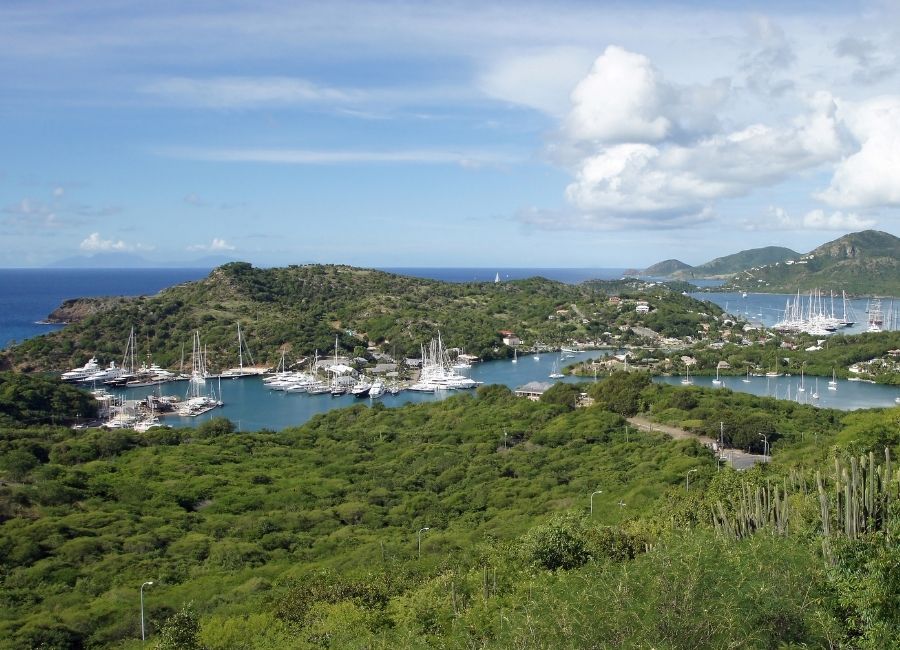
What Is Humble and Free Wadadli?
Overview
Humble and Free Wadadli is an eco-tourism brand created by and within the Antiguian Rastafari community. This isn't a tourism concept made up in a boardroom or designed to follow trends; it grew naturally from local voices, lived experience, and a deep connection to the land, which is true to the people who call it home.
At a glance, Humble and Free Wadadli offers cultural tours, farm experiences, traditional vegan food, wellness, and nature-based activities. But at its heart, it's about storytelling, sharing the history, ancient practices, and the everyday lifestyle of Rastafari culture in Antigua. It's eco-tourism with soul. Visitors aren't rushed through highlights or sold a surface-level experience. Instead, they're invited to slow down, listen, learn, and connect.
Humble and Free Wadadli has also earned recognition for its work, standing out as an award-winning eco-tourism company that blends sustainability with cultural preservation. Nature isn't treated as a mere backdrop; it's the centre of everything. From farming practices to vegan food and meditation, the land plays a starring role in how Humble and Free Wadadli operates and how guests experience Antigua beyond the usual tourist lens.
Core Values
The name says a lot on its own. Being humble and free is both a mindset and a way of life. It's about simplicity, respect for nature, and moving through the world without excess or ego. Those values show up in how experiences are de
signed, how people are welcomed, and how stories are shared, nothing forced, nothing flashy, just authenticity.
Community upliftment is another central pillar. Humble and Free Wadadli actively supports local farmers, holistic practitioners, creatives, and Rastafari elders by creating opportunities for them to share knowledge, skills, and traditions directly. Instead of tourism that extracts value, this is tourism that circulates it by keeping the culture alive and benefiting the local community.
All of this comes together to create experiences that feel personal, intentional, and rooted. Whether cannabis is part of the conversation or simply part of the cultural background, it exists naturally within a broader philosophy of wellness, spirituality, and connection to the earth. That's what makes Humble and Free Wadadli feel less like a brand you visit and more like a way of seeing Antigua and Barbuda through a more transparent, calmer lens.
Experiences and Offerings
One of the things that makes Humble and Free Wadadli stand out is the wide range of thoughtful experiences. Nothing here feels rushed or put together like a microwave meal. Whether you're visiting Antigua for the first time or you're a local looking to reconnect with the land, these offerings are designed to meet people where they're at and invite them into something meaningful, relaxed, and real.
Guided Tours
The guided tours are where culture, land, and storytelling really come together. The Ras Freeman Tour allows guests to learn about the lands of the Rastafari while witnessing daily life and agricultural practices. This tour even allows visitors to engage with the local community, visit the weed farms, and learn about the Rastafari role in Antiguas and Barbuda's flourishing medical cannabis industry.
The Ras Freeman Tour isn't the average walk-and-talk with memorised facts, it's a lived record. Guests walk away with lasting memories and a sense of connection, only a few can truly deliver.
Cultural Immersions
If you like learning while on the move, the Agro District Hike and Sankofa Hike are a perfect fit. These hikes blend exploration with history, connecting physical landscapes with ancestral memory. From farm hopping to hiking hills that offer some of the most stunning views on the islands, these are experiences that don't make it into the everyday travel brochures.
Then there's the Jabba Pot Experience, which is all about food, tradition, and community. Cooking with clay pots is an old-school method that brings out deep flavours and even deeper conversations. This isn't just about eating food; it's about understanding where the food comes from, how it's prepared, and why it matters in Rastafari culture.
Yoga & Meditation
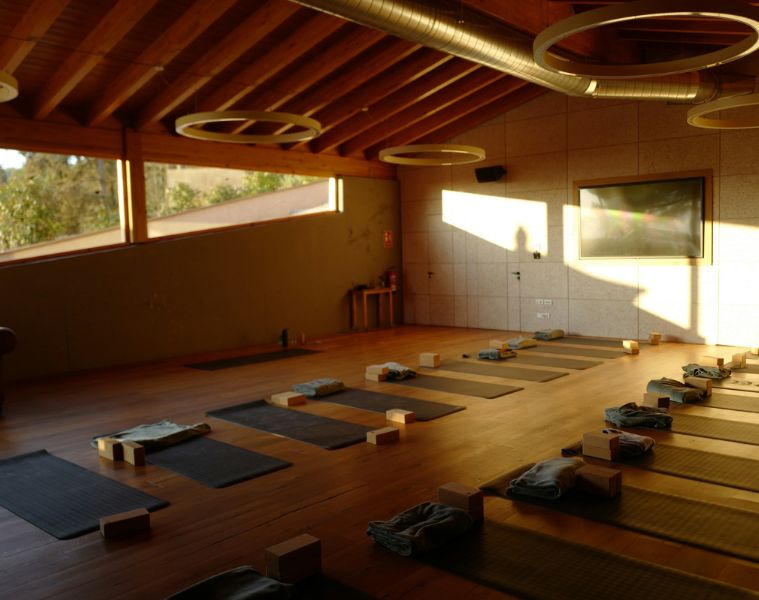
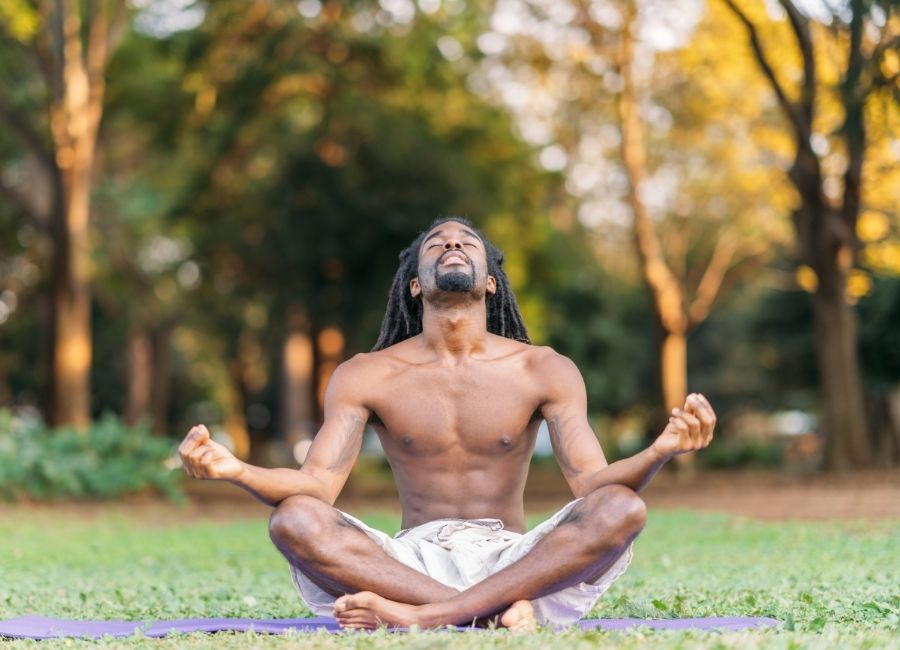
While yoga and meditation often look different from place to place, at Humble and Free Wadadli, they're approached in a very natural, grounded way, and that's where Mellow Meds comes in. Rather than focusing on rigid routines or formal sessions, Mellow Meds is about creating space to slow the mind, relax the body, and reconnect with yourself and your surroundings through guided Kemetic Yoga and Meditation.
And yes, cannabis is part of the experience, but it's never isolated, abused, or sensationalised. Instead, it's approached mindfully as a tool for reflection and balance, supporting your yoga and meditation sessions.

Why Rastafari Culture Matters in Antigua & Barbuda
To really understand Humble and Free Wadadli and why it exists the way it does, you have to understand the role Rastafari culture plays in Antigua and Barbuda. Rastafari has shaped how people relate to the land, food, spirituality, community, and, of course, cannabis. It's more than just a movement; it's a living culture that continues to influence daily life on the island in quiet but powerful ways.
Rastafari Beyond Jamaica
When most people hear "Rastafari", their minds jump straight to Jamaica, and that makes sense, since the movement began there in the early 1930s. It first emerged as a spiritual and cultural movement rooted in African identity, resistance to colonial systems, and a deep connection to Jah (God). It emphasised self-reliance, natural living, and reconnecting with African heritage in a world that had long tried to eradicate it.
But Rastafari didn't stay in one place. As people moved throughout the Caribbean, the culture moved with them, taking on local expressions while holding onto its core values. In Antigua and Barbuda, Rastafari developed its own rhythm, shaped by the island's history, landscapes, and community dynamics.
Rastafari in Antigua and Barbuda
In Antigua and Barbuda, Rastafari culture has long been present, even if it hasn't always been fully recognised or understood. For many years, Rastafari people faced restrictions and misunderstandings around their way of life, especially when it came to spiritual practices and the use of cannabis for sacramental purposes.
That began to shift in a big way when the government officially recognised the religious rights of the Rastafari community, including the sacramental use and cultivation of cannabis. This wasn't just any old legal update; it was a significant moment. It acknowledged that Rastafari traditions are a legitimate and meaningful part of Antiguian society, not just something on the sidelines.
Cannabis as a Sacred Herb
Within Rastafari culture, cannabis is not viewed as a party favour or fashion trend. It's a sacred herb used for meditation, prayer, and "reasoning," which are deep conversations meant to bring clarity, understanding, and connection. The plant is tied to spiritual reflection and communal bonding, not for indulgence or misuse.
This perspective has had a lasting influence on how cannabis is viewed in Antigua and Barbuda today. For many, the relationship with the plant is grounded in intention, respect, and balance. That mindset shows up clearly in spaces like Humble and Free Wadadli, where cannabis exists as part of a broader cultural and spiritual framework.
How Humble and Free Wadadli Reflects Rastafari Principles
What really sets Humble and Free Wadadli apart is how naturally Rastafari principles are woven into everything they do. These aren't just values added on for extra effect, these are their real lives they are sharing with the world.
Cultural Preservation: Living History, Not a Display
With Humble and Free Wadadli, culture isn't something you look at, it's something you step into. The tours go beyond sightseeing and surface-level facts; they offer you a chance to experience Rastafari culture as a living, breathing part of Antigua and Barbuda today. Stories are passed down through conversation, not social media posts, and when you are there, it's quickly realised that none of this is scripted or performed.
This approach keeps culture alive rather than frozen in time. Guests aren't treated like spectators, and the culture isn't treated like an exhibit or zoo. Instead, it's shared in a way that honours its origins and its ongoing evolution.
Community-Centred Travel: Giving Back to the Land and the People
Rastafari philosophy places strong emphasis on community, self-reliance, and harmony with nature, and that shows clearly in how Humble and Free Wadadli operates. Tourism here isn't about extraction or fast turnover. It's about creating opportunities that benefit local farmers, guides, cooks, artisans, and wellness practitioners.
Sustainable agriculture plays a major role, from farm-based experiences to Ital food offerings that support local food systems. The result is eco-tourism that feels connected and purposeful, where visitors can enjoy meaningful experiences while knowing they are genuinely supporting the community and the land it depends on.
Spiritual Respect: Experience Without Exploitation
Spirituality is deeply personal in Rastafari culture, and Humble and Free Wadadli treats it with care. Experiences are designed to be respectful and open, allowing guests to learn and engage without turning beliefs, rituals, or cannabis use into entertainment.
Cannabis, when it comes up, is framed within its cultural and spiritual context not as a gimmick or selling point, but as part of a broader worldview centred on mindfulness, reflection, and balance. This creates an atmosphere where curiosity is welcome, and respect is built in naturally.
Together, these principles shape Humble and Free Wadadli into more than an eco-tourism brand. They make it a space where culture is shared thoughtfully, travel feels intentional, and visitors can connect with Antigua and Barbuda in a way that's grounded, conscious, and genuinely human.
What Visitors Can Expect at Humble and Free Wadadli
If you're the kind of traveller who likes experiences that feel real, relaxed, and off the beaten path, Humble and Free Wadadli will feel right at home. This isn't about ticking boxes or racing through activities, it's about showing up with an open mind and letting the experience unfold naturally.
Authenticity Over Spectacle
What you'll notice right away is that nothing feels staged. The people you meet are sharing their own stories, knowledge, and relationships with the land. There are no scripts, no performances put on for show, just honest conversations and genuine interactions. You're engaging with real people in real spaces, which makes the experience feel personal instead of packaged.
A Slow, Mindful Experience
Everything moves at an easy, intentional pace. There's time to listen, ask questions, reflect, and just be. Whether you're walking the land, sharing a meal, or learning about plant knowledge and culture, the focus is on connecting to nature, history, and each other. It's an experience that encourages curiosity without ever feeling heavy or formal.
Beyond Beach Tourism
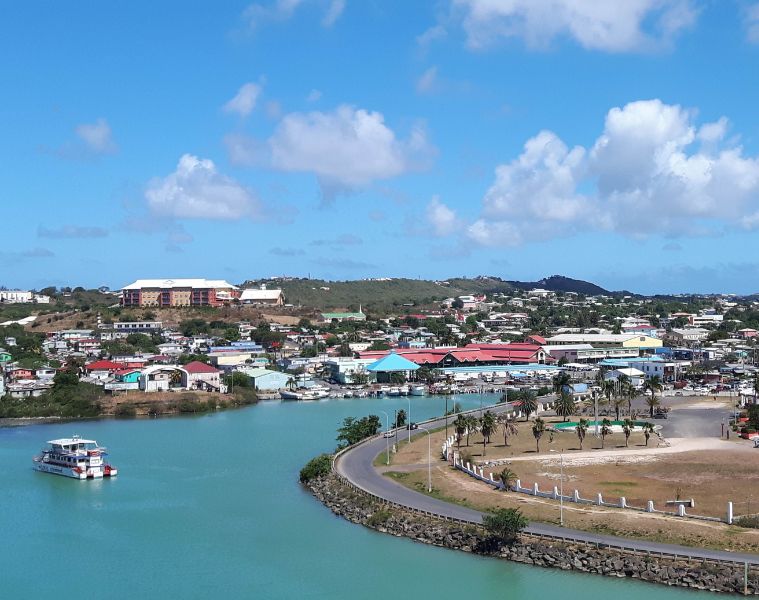
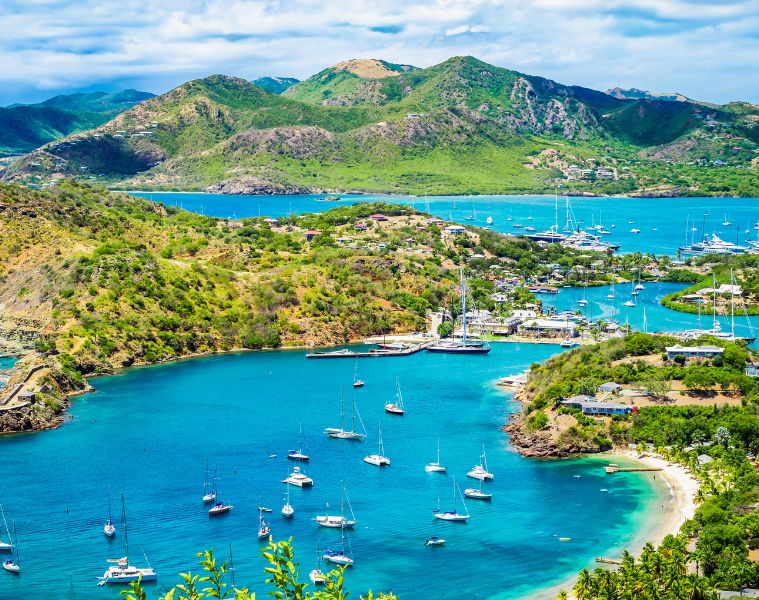
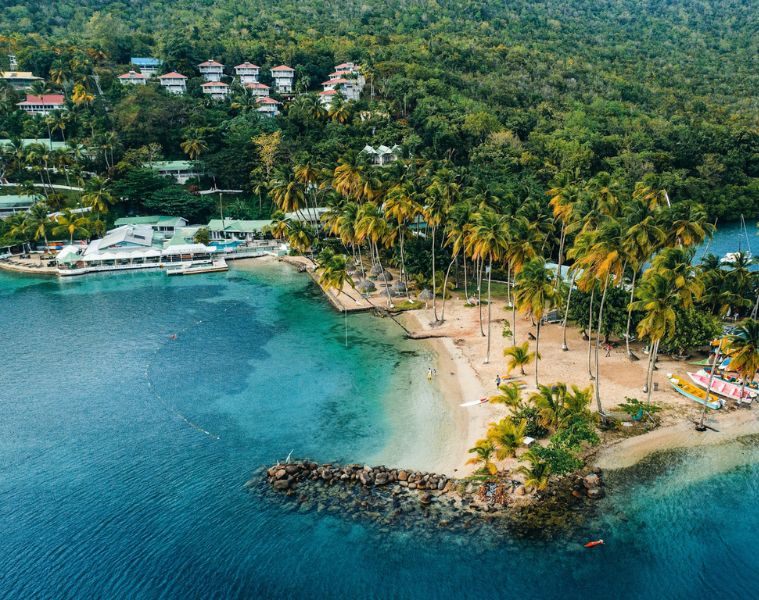
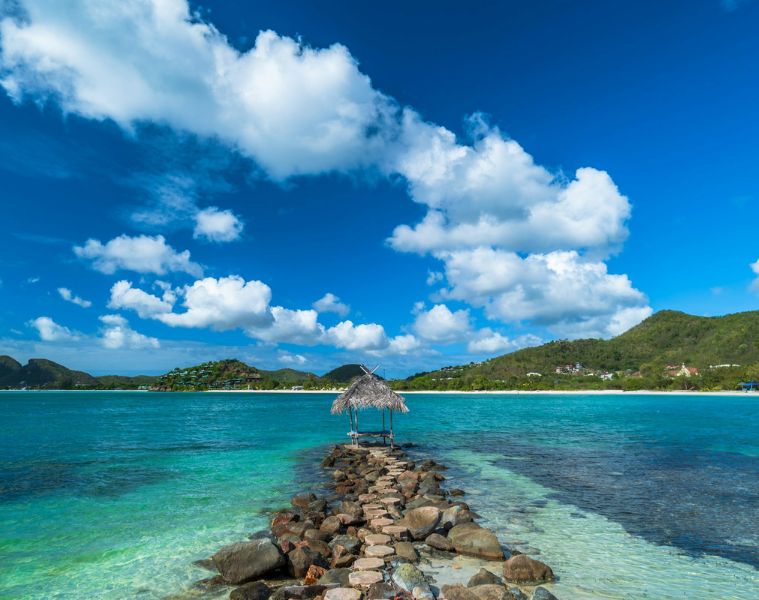
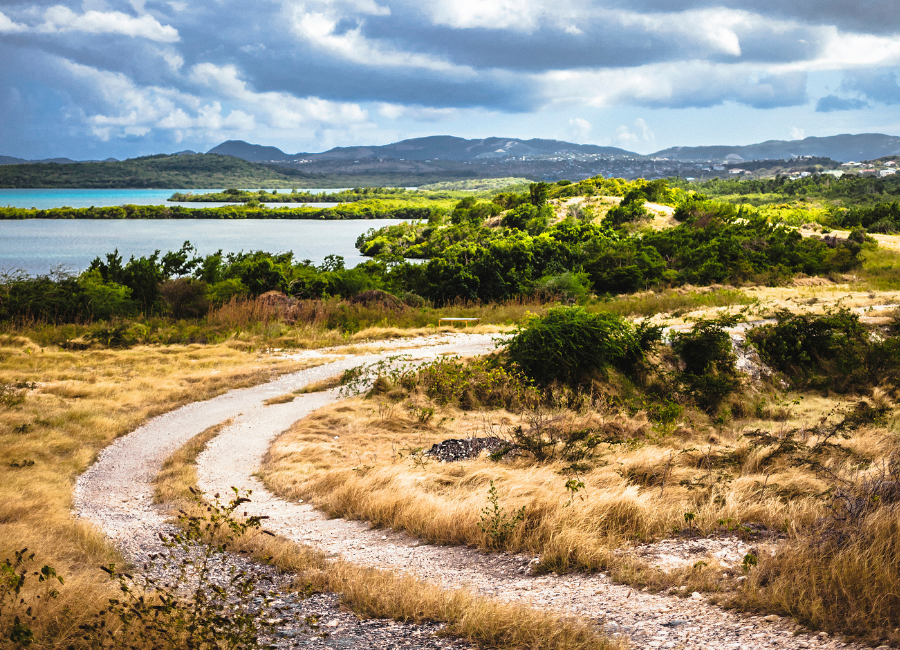
Antigua and Barbuda are famous for their beaches, and for good reason, but there's so much more to explore beyond the shoreline. Humble and Free Wadadli offers a window into Antigua and Barbuda's cultural depth, showing visitors a side of the islands only a few will encounter first-hand.
Overall, visitors can expect an experience that feels grounded, welcoming, and thoughtfully put together.
Conclusion
Humble and Free Wadadli is way more than a catchy name or a fancy travel concept. It's a cultural movement rooted in Rastafari values, respect for the land, and a deep commitment to community. Every experience from farm tours and hikes to Ital food tastings, storytelling, and moments of reflection connects back to the same core idea: tourism can be meaningful, mindful, and still genuinely enjoyable.