

A Beginners Guide To Your First Weedcation
Planning your first weedcation? Learn the laws, risks, and smart tips for a safe, stress-free cannabis trip.

As more countries revisit their cannabis laws, interest in travel that incorporates legal cannabis has been growing slowly alongside the law changes. Based on reporting from tourism boards, market analyses, and regulatory updates in North America, parts of Europe, and the Caribbean, there is clearly some curiosity about destinations where cannabis is permitted in some form.
But cannabis tourism is often misunderstood. It is not simply about finding a place to consume legally. It involves navigating shifting laws, local norms, and public health considerations that differ significantly from traditional travel. Approached casually or without preparation, it can lead to confusion or legal trouble. Approached thoughtfully, it can be an unforgettable travel experience.
Understanding Cannabis Tourism
When people hear the term "cannabis tourism," they often reduce it to one idea: travelling somewhere to use cannabis legally. And yes, that is part of it, but it's not the whole picture.
Cannabis-related travel often overlaps with food, wellness, education, and cultural exploration. In places where laws allow it, cannabis is integrated into cooking classes, guided dispensary visits, wellness retreats and more.
For example:
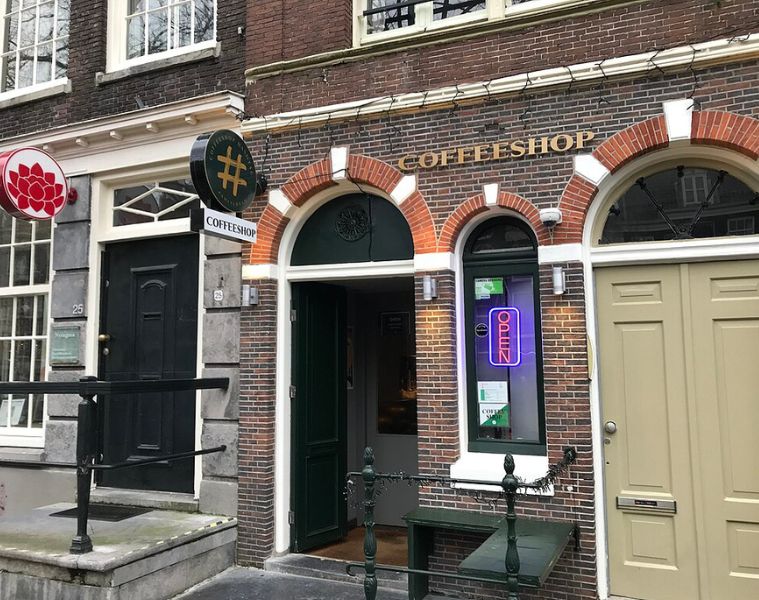
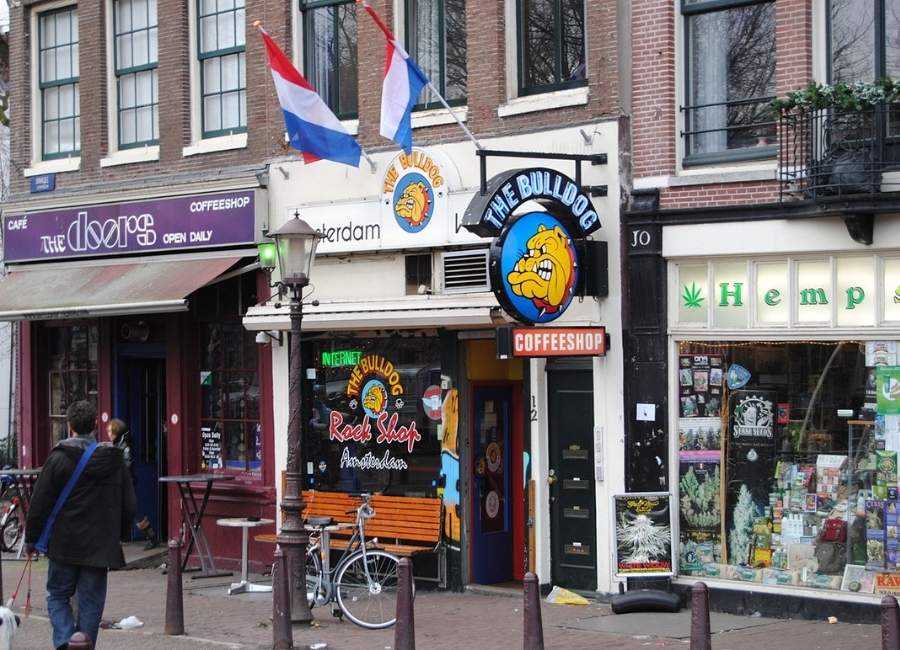
- Visiting regulated coffeeshops in Amsterdam, where cannabis operates under a tolerated retail model.
- Touring licensed dispensaries or cultivation facilities in Denver, where state-wide legalisation has created a regulated retail system.
- Exploring cannabis culture and events in Los Angeles, a city with a significant legal market.
- Participating in wellness retreats in Koh Samui, Thailand, where cannabis laws have evolved in recent years, though regulations remain fluid and occasionally subject to change.
The key point: cannabis tourism is shaped by local law and local culture. In some places, it is tightly regulated and commercially structured. In others, it exists in a grey area or under decriminalisation rather than full legalisation. Understanding that distinction matters.
Research Before You Go
The single most important step before booking a weedcation is research. Cannabis laws vary not only by country but also by state (in the U.S.) and province (in Canada).
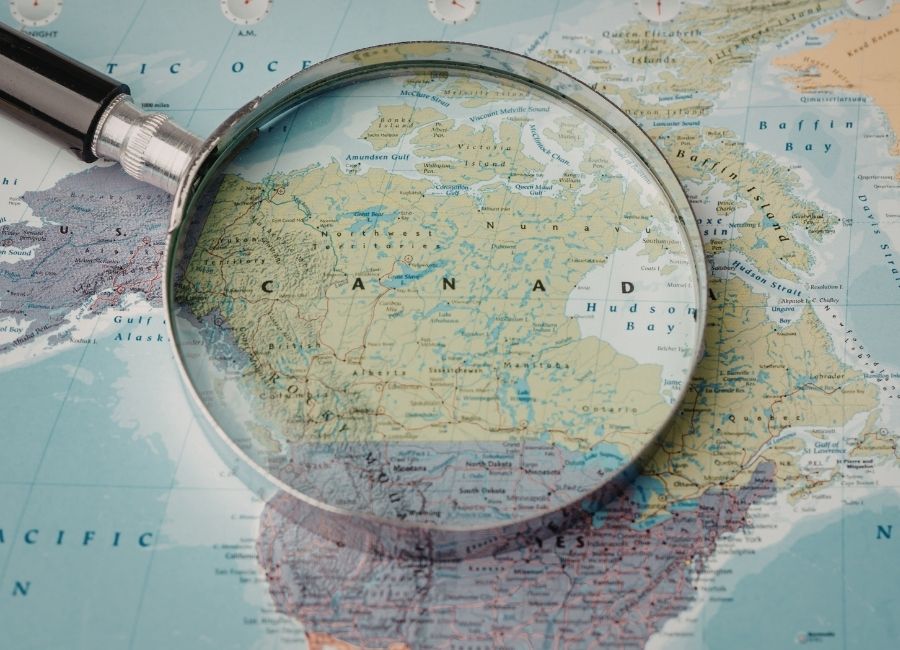
Let's look at Uruguay and Canada as examples. Both countries have legalised recreational cannabis at the national level. However, under Uruguayan law, legal purchasing is restricted to citizens and registered residents only. Tourists are not permitted to buy cannabis there. But in Canada, adults of legal age, including visitors, can purchase from licensed retailers, subject to provincial rules.
Before travelling, clarify:
Laws & Legal Status
Is cannabis legal, decriminalised, or restricted to medical use? Decriminalisation does not equal legal retail access.
Possession Limits
Most legal jurisdictions impose strict limits on how much an individual can carry. Exceeding those limits can lead to fines or criminal charges.
Consumption Rules
Public consumption is often prohibited, even in places where sales are legal. Many regions restrict use to private residences or designated areas.
Local Attitudes
Legal status does not automatically mean social acceptance. In some destinations, enforcement may be strict despite some level of legality.
If regulations are unclear, consult official government websites or verified local sources. Laws can change quickly, particularly in emerging markets.
Don't Cross Borders with Cannabis
When it comes to flying across international borders with cannabis, the guidance is straightforward: do not travel with cannabis.
Even between two jurisdictions where cannabis is legal domestically, transporting it across national borders typically violates international drug control treaties and customs regulations. Government agencies and customs authorities consistently warn against it.
For medical patients, the situation is more complex. Some countries allow entry with prescribed cannabis products, but only with advance authorisation, formal documentation, and compliance with specific import rules.
To avoid serious legal consequences:
- Do not carry cannabis across international borders.
- Do not transport it between states or provinces where federal law prohibits such movement.
- Do not assume airport security will overlook it.
- Do not leave cannabis in rental vehicles or accommodations after departure.
Penalties can include fines, confiscation, travel bans, or, in some countries, criminal prosecution.
Choosing Cannabis-Friendly Lodging
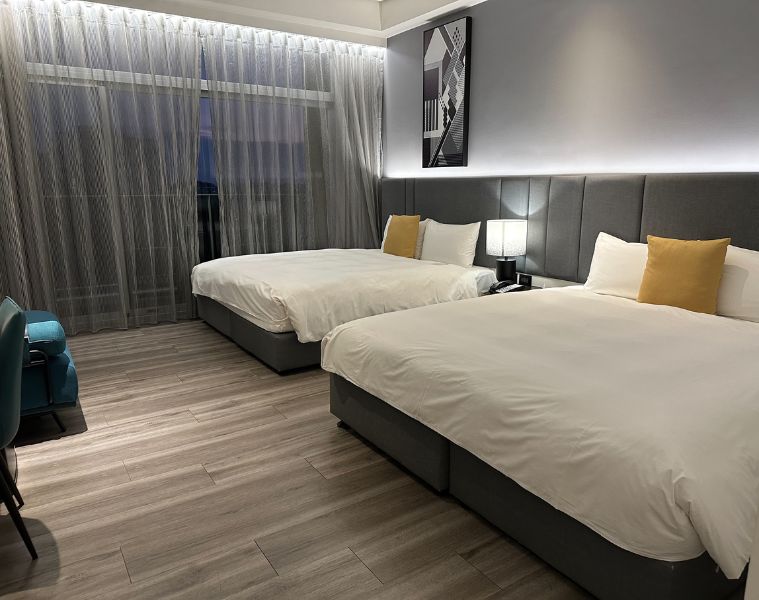
Cannabis accommodations are often overlooked. Even where cannabis is legal, most hotels prohibit smoking or vaping under standard no-smoking policies. But in recent years, specialised lodging platforms have emerged that list cannabis-permitted accommodations. One example is the platform Bud and Breakfast, which connects travellers with hosts who explicitly allow cannabis use under specified conditions.
Another great option is to search Google for cannabis-friendly lodgings and hotels, and add the specific country you're planning to travel to in your search. Many hotels and private accommodations are popping up, which allow cannabis use on site.
Safety
Legal access does not eliminate health considerations. Potency levels in regulated markets can vary significantly, and you may not be used to the potency levels or different forms of cannabis some countries have to offer, so pacing yourself (particularly with edibles) and staying hydrated is essential, especially if you are trying something new or in a hot country.
Planning Cannabis Activities
Cannabis-related activities extend beyond consumption. In regulated markets, some businesses operate tours and workshops safely within legal boundaries.
Examples include:
Dispensary Tours
Licensed retailers may offer educational sessions about the various types of cannabis strains and products, cultivation practices, and regulatory compliance.
Cooking Classes
In jurisdictions where permitted, you can learn how to infuse cannabis into meals, desserts, or beverages with expert chefs who guide you through the process.
Art Workshops
Some studios allow cannabis-permitted sessions where you can unleash your creativity with a joint on the side.
Yoga or Meditation
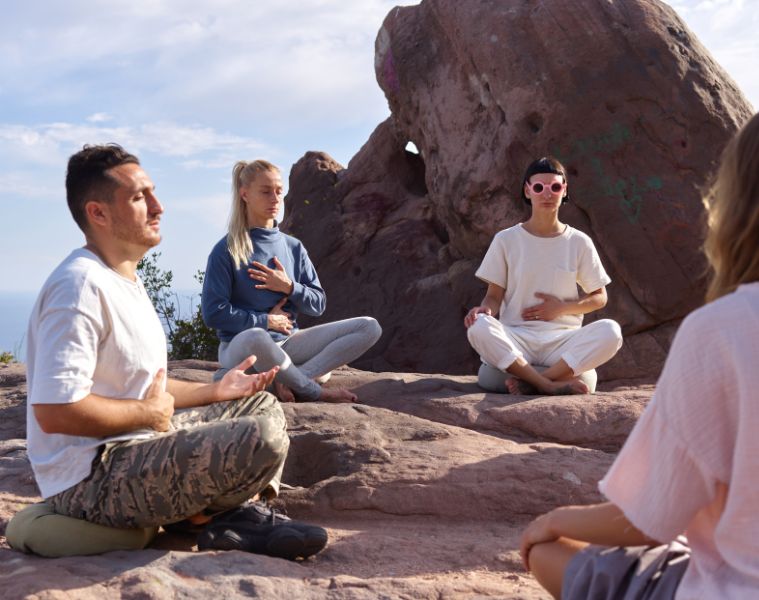
Some destinations allow hosts to integrate cannabis into yoga and meditation sessions as a tool for deeper relaxation.
Farm or Cultivation Tours
Similar to winery visits, some licensed facilities allow guided tours so you can get a deeper understanding of the plant and see the behind-the-scenes operations.
Cafés and Lounges
Consumption lounges and cafés operate legally in select jurisdictions, allowing people to relax while enjoying some food, drinks and entertainment.
Outdoor Experiences
You can join cannabis friendly hiking trips, camping experiences, and other outdoor adventures where cannabis consumption is part of the itinerary.
Immerse Yourself in the Cannabis Culture
One of the best things about cannabis culture is that it differs significantly across regions. In some places, the plant is treated primarily as a regulated commercial product. But in many others, the plant is rooted in music, spirituality, or local agriculture.
Cannabis tourism allows you to explore these new places, meet interesting people, and immerse yourself in an entirely different cannabis culture. Getting involved in the local cannabis culture of the country you're visiting will give you an insight into how the plant has shaped a community's identity, from its role in spirituality to its impact on art, music and healthcare.
Conclusion
Whether you're going on a weedcation to relax in a secret cabin in the Canadian Rockies, visiting a structured wellness retreat in Thailand, or reasoning with some Rastafaris in Jamaica, now hasn't been a better time to take your travels to new highs.
Just remember to stay up to date with the local laws so you can keep your experience fun, safe, and stress-free.